Spiny Water Flea
New Invasive Threat: Spiny Water Flea
Spiny water flea (Bythotrephes longimanus) is a tiny, invasive freshwater zooplankton. While not directly harmful to people, it disrupts aquatic food webs, threatens fish populations, and can degrade water quality. Native to Eurasia, it was first detected in North America in 1982 in Lake Ontario. Since then, it has spread to lakes and rivers across multiple U.S. states and Canadian provinces.
In New Hampshire, it was first identified in 2023 in Lake Winnipesaukee and Lake Winnisquam. In September 2025, it was confirmed in Newfound Lake. Once established, there are no known effective methods to remove or control it.
Preventing further spread is critical.


The Impact and Why It Matters
Disrupting the Food Web
Spiny water fleas prey heavily on native zooplankton such as Daphnia — a critical food source for young and forage fish like rainbow smelt. As zooplankton populations decline, less food is available for fish at the base of the food chain.
Over time, this disruption can ripple upward, affecting growth rates and abundance of larger predatory fish including lake trout and salmon.
Increasing Risk of Algal Growth
Native zooplankton eat algae and bacteria, keeping growth in check. When their populations are reduced by spiny water flea, algal growth can increase, potentially diminishing water clarity and overall lake health.
Affecting the Recreational Experience
Although harmless to people, spiny water fleas cling to fishing lines and recreational gear, clogging equipment and causing frustration for anglers.

NLRA's Response
Spiny water flea cannot be eradicated from Newfound Lake, but we can still take meaningful action.
We are working with partners across New Hampshire to:
- Monitor plankton communities to better understand food web changes and lake resilience.
- Engage boaters and anglers to prevent further spread to other waterbodies.
- Reduce pollution that fuels algae growth.
- Lead prevention efforts statewide, helping protect other New Hampshire lakes from infestation.
Report Where you Find it
You can help us research and monitor the spread of spiny water flea. If you find spiny water flea while out at the lake, email a photo and your location to Paul@NewfoundLake.org and complete the NH Department of Environmental Services Aquatic Invasive Species Report Form.
You Can Help Stop the Spread
Spiny water fleas don’t travel far on their own, but they move easily on boats, trailers, and fishing gear.
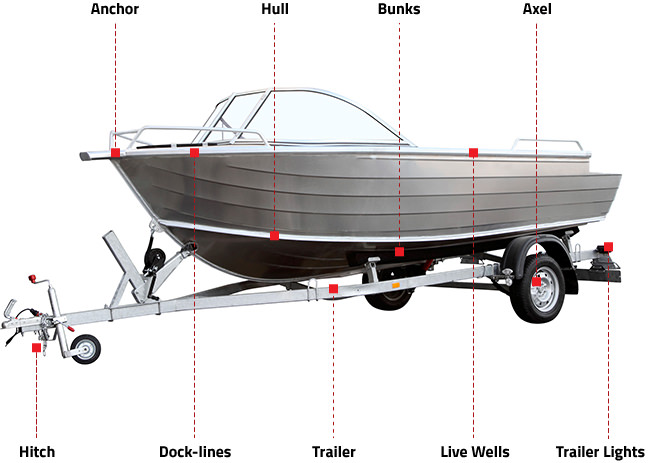
They can be transported from lake to lake on:
- Fishing lines and downriggers
- Boats and trailers
- Anchors and ropes
- Live wells and bait buckets
Even a small amount of water can carry adult spiny water fleas or microscopic eggs to the next lake.
Clean, Drain, and Dry
For Anglers
Spiny water fleas commonly snag on lines and spread this way. Wipe down your line with a sturdy cloth on your final cast.
For Boaters
Practicing Clean, Drain, Dry every time you leave a boat launch is the most effective way to stop the spread. Follow the instructions below from NH LAKES. Cleaning and draining is the law in New Hampshire!
Clean
- Clean off all mud, plants, animals, and debris from your boat, trailer, and equipment.
- Clean off anchors and anchor lines, water intake grates on jet-powered craft, kayak and canoe
cockpits, storage compartments, and paddles! - Dispose of all material away from the waterbody where it won’t wash back into the lake.
Drain
- Drain motors, bilges, live wells, ballast tanks, storage compartments, and all gear.
- Tip paddle craft and motors to release trapped water.
- Remove or open drain plugs while trailering.
- Drain where runoff will not flow back into the lake.
Dry
- Let your watercraft dry in the sun for at least five days.
- Dry everything that contacted the water.
- If relaunching within five days, rinse thoroughly with clean water somewhere runoff won’t return to the lake and towel dry.
You can also rinse boats and gear with high pressure hot water or a mild bleach solution. Here is a list of boat-
friendly car wash stations in New Hampshire.
Learn More
Explore these trusted resources to better understand spiny water flea, its ecological impacts, and prevention strategies.
New Hampshire Department of Environmental Services Environmental Fact Sheet - Spiny Water Flea
Minnesota AIS Research Center
NH LAKES