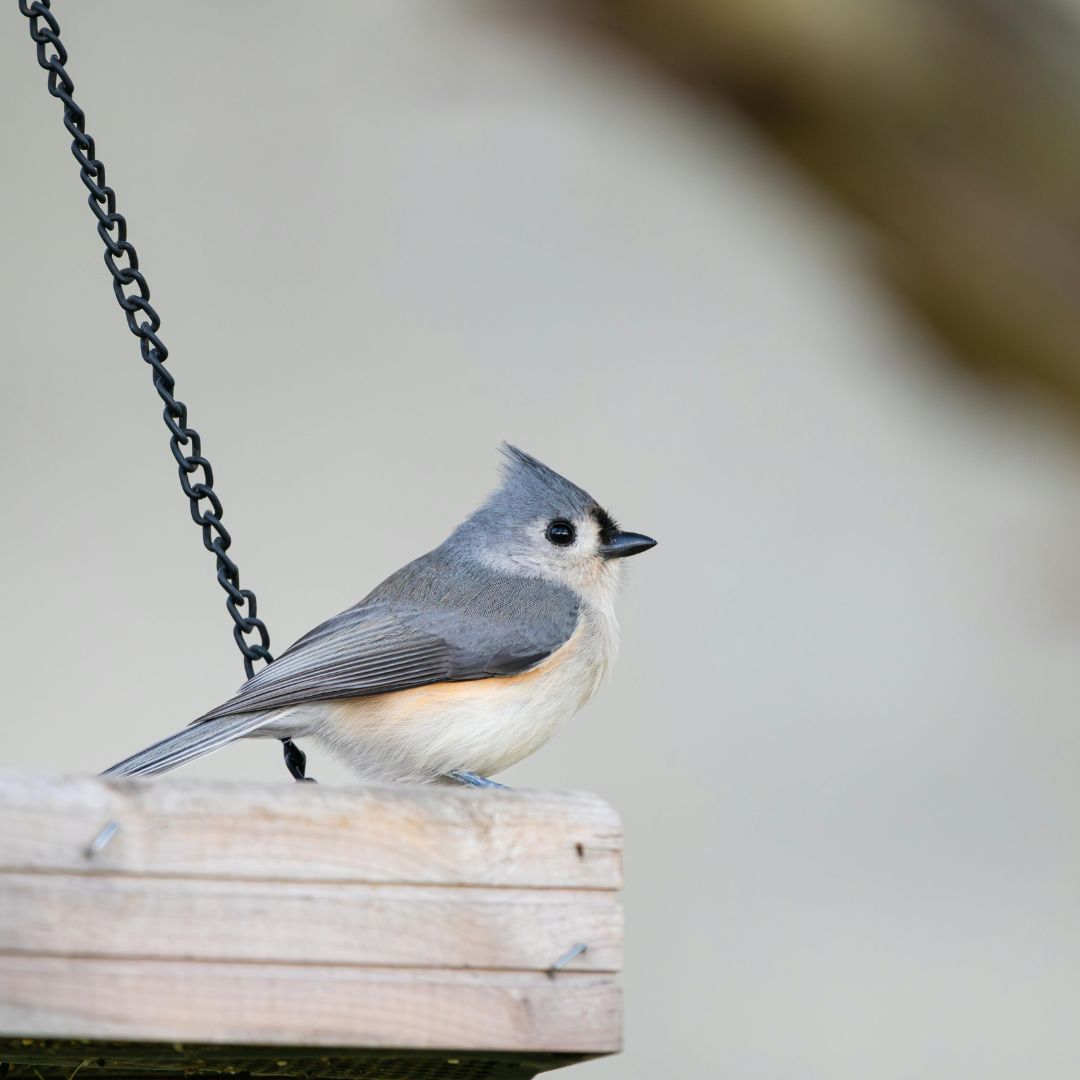
Backyard bird feeding is a rewarding way to connect with nature and support non-migratory birds during the toughest months of the year.
While most birds can survive without feeders, winter conditions limit natural food sources, making high-quality supplemental food especially helpful from December through early spring. Bird activity at feeders naturally fluctuates from year to year, largely based on the availability of natural food. In years when plants produce abundant seeds, fewer birds rely on feeders; during leaner seasons, more birds are drawn in, and the mix of species can change throughout the winter.
To attract a diversity of birds this winter, consider these simple tips:
- Offer a variety of foods. Black oil sunflower seeds, millet, peanuts, and suet are all excellent choices for attracting different species.
- Use multiple feeder types. Sturdy, weatherproof feeders designed for birds of different sizes and feeding habits will welcome a wider range of visitors.
- Reduce waste and spoilage. Put out only as much food as birds can eat in a day.
- Create the right habitat. Place feeders near trees and shrubs to provide shelter and mimic a natural landscape.
With a little planning and care, bird feeding can be safe, rewarding, and beneficial for both birds and people.
Want to learn more about food choices, feeder types, habitat improvements, and best practices for feeding birds responsibly all winter long? Visit UNH Extension.